


I had to do a double take when I first saw our latest workforce sentiment research data. In a period of unprecedented AI adoption and usage, 80% of HR professionals in the UAE and 81% in KSA believe human intuition remains irreplaceable in hiring. Yet in the same breath, over half in the UAE and two in five in KSA HR professionals now trust AI tools as their primary career advisor.
After 11 years as a regional director at LinkedIn, I’ve come to believe this isn’t a contradiction – it is wisdom. AI is seen as the consultant, supplying us with the insights that will help us, humans, make the final decisions. Our region’s instinctive approach to blending human judgment with technological progress isn’t just culturally smart; it may soon become our most powerful competitive advantage.
It’s no secret that MENA moves at a relentless pace, leaving little room for slow movers – and falling behind is not an option. This is particularly true for HR professionals.
Our recent survey backs this up. Over 70% of UAE and 80% of KSA HR professionals feel pressured to make decisions faster than ever before to succeed at work. Meanwhile, 50% and 38% consecutively say decisions are piling up faster than they can act on them.
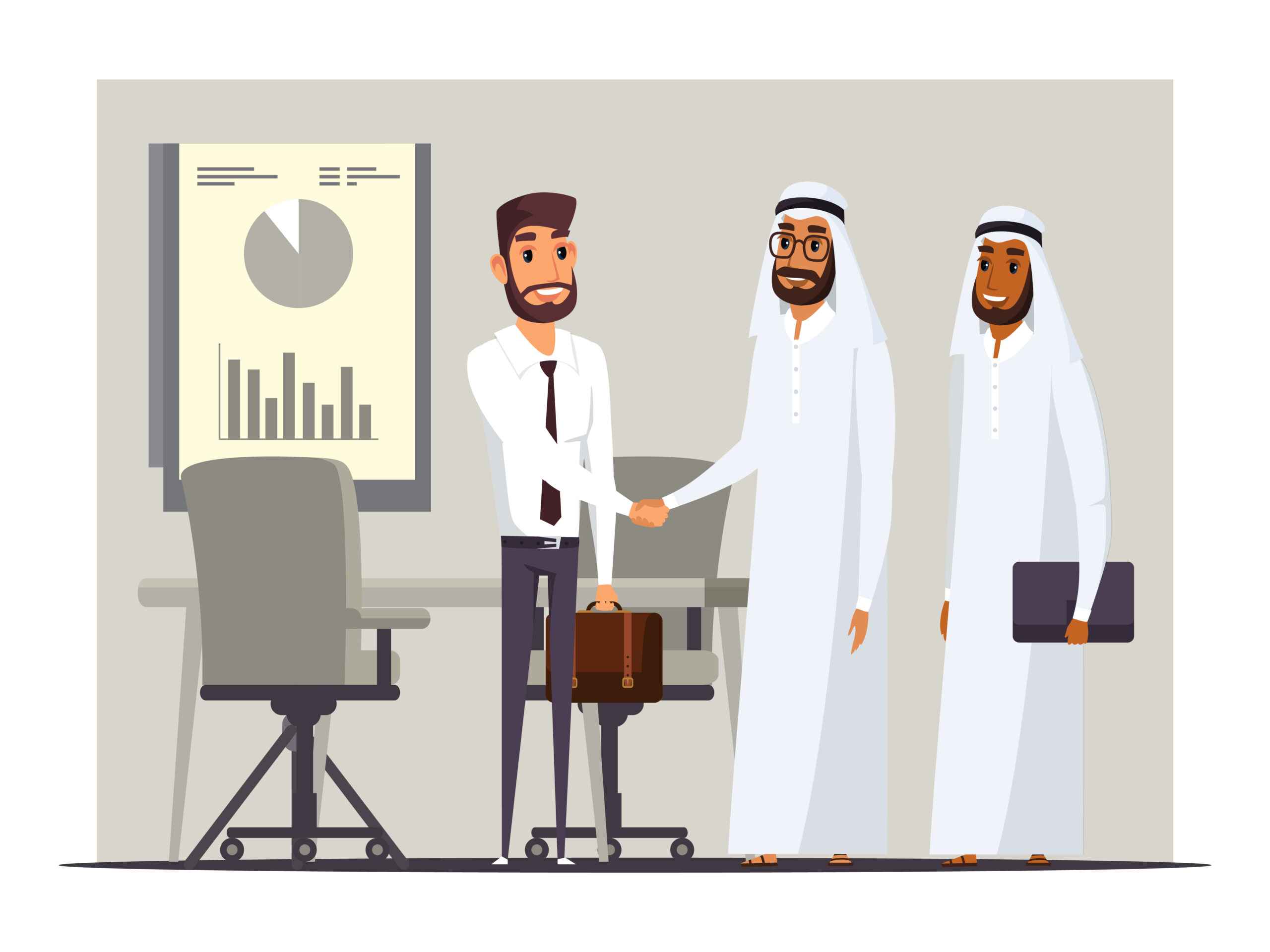
I see this pressure reflected in our conversations with recruiters and HR professionals almost daily. In one recent conversation with Matarat Holdings, they explained just how critical it has become to source relevant talent quickly and efficiently, particularly for hard-to-fill and high-impact roles. The need for speed, however, doesn’t replace the importance of thoughtful decision-making: Almost half the HR leaders in the UAE and KSA report spending more time deliberating than executing – a sign that they’re carefully balancing urgency with accuracy.
Rather than being overwhelmed, HR teams in our region are leaning into the challenge. Almost 80% in the two countries are actively seeking AI training to help manage the increasing workload, demonstrating a clear appetite for tools that accelerate routine tasks while preserving space for human judgment.
What I have seen isn’t decision paralysis – it is sophisticated risk management, deeply rooted in MENA’s cultural emphasis on relationships, trust, and long-term thinking.
The Sweet Spot of the AI-Human Partnership
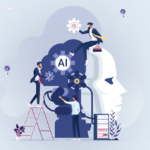
In line with LinkedIn’s predictions, the future of work is not about humans versus AI, but humans working with AI. The real opportunity lies in creating a balanced partnership – and this is especially prominent here in the region, where organizations are rapidly adopting AI tools to enhance efficiency while maintaining a strong focus on human decision-making and relationship-building.
Leaders I’ve spoken with are using AI to make the hiring process faster and smoother, without losing the human touch that defines how we work. That’s exactly why we built LinkedIn’s latest talent agent, Hiring Assistant. It is designed to take on the repetitive, time-consuming tasks that often hold recruiters back, so they can focus on what matters most – building connections, advising managers, and creating great candidate experiences.
When I walk HR teams through it, I demonstrate how simple it is: upload a job description and notes, and the Hiring Assistant immediately translates that into role qualifications and a pipeline of candidates. It even pulls in past applicants through Recruiter System Connect and keeps learning from the recruiter’s feedback. Over time, it adapts to the unique preferences, practices, and cultural nuances of each hirer, instead of forcing a one-size-fits-all approach.
After hearing about the concerns from the recruiter at Matarat Holdings, our team introduced Hiring Assistant to see if it could help. Once integrated into their processes, they told us that “its smart matching features, intuitive interface, and real-time recommendations allowed us to optimize our sourcing efforts and allocate more time to other strategic hiring activities.”
By combining speed with human insight, Hiring Assistant helps MENA companies strike the sweet spot of this partnership – using AI to handle what machines do best while leaving humans to do what only humans can: assess cultural fit, mentor, and make nuanced decisions that shape the future of their organizations.
The paradox I see across the resilient and powerful Gulf economies is not a challenge to overcome but a strength to build on. While other regions wrestle with whether to trust AI or intuition, we are already finding the balance point – using technology to accelerate processes while preserving the cultural depth that defines our approach to business. Tools like the LinkedIn Hiring Assistant are already proving how this can work in practice.
The human-AI balance matters because talent decisions shape more than individual companies – they influence the growth of entire economies. It has indeed become clear over the last few years that talent is the single most consequential competitive advantage businesses have in order to win in a rapidly evolving world of work. As global competition for skills intensifies, our ability to harness AI without losing sight of the human element could give MENA an edge that few regions can replicate.
The next step is in your hands: explore how AI can streamline your hiring process, and ask yourself – what would freeing up more time for human connection unlock for your team and your clients?
 Arda Atalay
Regional Director at LinkedIn













 Facebook
 Twitter
 Instagram
 LinkedIn
 YouTube